
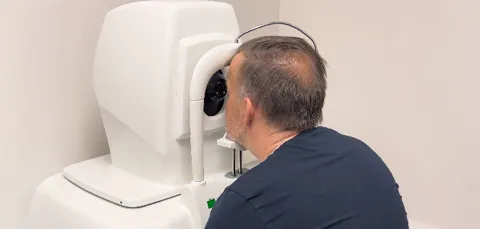
Wondering when you can safely drive after laser eye surgery or cataract surgery? Our guide explains recovery timelines, side effects, and tips to regain clear vision, ensuring a smooth return to the road.
What to Expect After Laser Eye Surgery?
After laser eye surgery, most patients experience temporary side effects as their eyes begin to heal. Common effects include blurry or fluctuating vision, dryness, and light sensitivity. These symptoms usually improve within a few days to weeks as the eyes recover.
Patients may notice halos or glare around lights, especially at night, during the early recovery period. Protective shields or goggles are often provided to prevent accidental rubbing of the eyes and to protect them while sleeping.
Follow-up appointments are typically scheduled to monitor healing and ensure the surgery's success. The timeline for recovery varies, but most individuals can return to daily activities within a few days.
Before having laser eye surgery, you are invited to a free consultation.
Recovery Time: When Can You Drive?
Recovery time after laser eye surgery varies depending on the type of procedure and individual healing rates. Most patients notice an improvement in vision within 24 to 48 hours. However, full stabilization of vision may take several weeks.
For LASIK, the initial recovery is typically faster, with many resuming work and daily activities in a few days. PRK and similar surface treatments may take longer, as the outer layer of the cornea requires more time to heal, often a week or more.
During recovery, patients should avoid strenuous activities, swimming, and exposure to dust or smoke. It’s important to follow instructions of your eye surgeon, including the use of prescribed eye drops, to promote healing and reduce the risk of complications.
Recovery Timeline After Laser Eye Surgery
Day 1 (Day of Surgery)
- Mild discomfort, blurry vision, and light sensitivity.
- Rest is essential; avoid rubbing your eyes.
Day 2–3
- Vision begins to improve but may fluctuate.
- Resume light activities, but avoid screen time if possible.
Week 1
- Significant improvement in vision for many patients.
- Avoid swimming, makeup around the eyes, and strenuous activities.
Weeks 2–4
- Vision stabilizes further, though night vision issues (e.g., halos or glare) may persist.
- Most restrictions on activities like exercise are lifted, except for contact sports.
1–3 Months
- Full recovery and stable vision for most patients.
- Night vision and dryness symptoms typically resolve.
6 Months and Beyond
- Final vision outcomes are achieved.
- Regular follow-ups ensure long-term success and monitor eye health.
Common Side Effects of Laser Eye Surgery
Laser eye surgery is generally considered a safe and effective procedure, with a high success rate for improving vision. Most side effects are temporary and resolve as the eyes heal. However, like any medical procedure, it carries some risks and potential complications.
Below are common side effects:
- Dry EyesTemporary dryness is frequent as the corneal nerves heal. It is managed with artificial tears or medicated drops.
- Blurry or Fluctuating VisionVision changes can occur during recovery but usually stabilize within weeks.
- Light SensitivityPatients may experience heightened sensitivity to bright light or sunlight in the initial days.
- Halos and GlareHalos or glare around lights, particularly at night, are common early on and improve with time.
- Discomfort or IrritationMild discomfort, such as a gritty sensation, is normal and short-lived.
- Night Vision IssuesSome individuals have temporary difficulties with night vision, like starbursts or reduced contrast.
Complications are rare when performed by an experienced surgeon, making laser eye surgery a reliable option for vision correction.
How Laser Eye Surgery Affects Your Ability to Drive?
Laser eye surgery temporarily affects your ability to drive due to changes in vision during the recovery period. Immediately after the procedure, your vision may be blurry or sensitive to light, which can make driving unsafe. Additionally, some patients experience halos, glare, or difficulty with night vision, especially in the first few weeks.
Your surgeon will advise you not to drive until your vision meets the legal requirements and you feel comfortable behind the wheel. This period varies for each person, depending on the type of surgery and individual healing progress.
When Can You Drive After Laser Eye Surgery?
Most patients can drive within 24 to 48 hours after laser eye surgery, but this depends on individual recovery and vision stability. Before driving, your surgeon will confirm during a follow-up appointment if your vision meets the legal driving standards.
It is essential to wait until any blurriness, light sensitivity, or other vision disturbances have resolved enough for safe driving. For some, especially those with night vision issues or halos, it may take longer to feel comfortable driving at night. Always follow your surgeon's specific advice to ensure safety.
Signs That Indicate You Cannot Drive Yet
Certain signs indicate you are not ready to drive after laser eye surgery. These symptoms suggest your vision has not stabilized enough for safe driving. If you experience any of the following, avoid driving and consult your surgeon:
- Blurry VisionDifficulty seeing clearly at any distance can make driving unsafe.
- Light SensitivityDiscomfort or difficulty with bright lights can impair visibility, especially in daylight.
- Halos or GlareSeeing halos or glare around lights, particularly at night, may interfere with driving.
- Difficulty FocusingInconsistent or fluctuating vision can make it hard to judge distances or read road signs.
- Dry or Irritated EyesDiscomfort from dryness may cause frequent blinking or distraction while driving.
- Poor Night VisionTrouble seeing in low-light conditions or adjusting to darkness can make night driving unsafe.
If these symptoms persist, wait until they improve before considering driving again. Your surgeon’s approval is crucial for ensuring you are ready.
Is Driving at Night After Laser Eye Surgery Safe?
Driving at night after laser eye surgery may not be safe for everyone during the initial recovery period. Some patients experience temporary side effects, such as halos, glare, or starbursts around lights, which can make it difficult to see clearly in low-light conditions.
These night vision disturbances are common and typically improve within a few weeks to months as the eyes heal. Until these symptoms resolve, it’s advisable to avoid driving at night to prevent potential hazards. Always ensure your surgeon has cleared you for driving and that you feel confident in your vision before attempting night driving.
Tips for Quick Surgery Recovery and Resuming Driving
- Follow Post-Operative InstructionsUse prescribed eye drops and medications as directed to promote healing and reduce inflammation.
- Rest Your EyesLimit screen time and activities that strain your eyes during the initial recovery period.
- Protect Your EyesWear sunglasses outdoors to reduce light sensitivity and shield your eyes from UV rays.
- Avoid Rubbing Your EyesThis helps prevent irritation or disruption of the healing process.
- Attend Follow-Up AppointmentsRegular check-ups ensure your eyes are healing properly and help determine when it’s safe to resume driving.
- Start with Daytime DrivingBegin driving during daylight hours when visibility is better, and avoid night driving until you are comfortable.
- Stay HydratedUse artificial tears to keep your eyes moist, especially if dryness persists.
- Avoid Driving If You Feel UnsureIf you experience symptoms like blurry vision, glare, or discomfort, wait until they subside before driving.
By following these tips, you can recover effectively and safely return to driving.
