
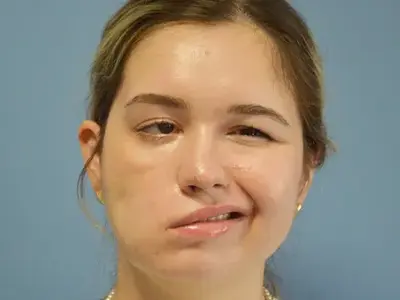




What is Facial Paralysis?
Facial paralysis is a medical condition where a person loses the ability to move some or all of the muscles on one side of their face.
This occurs when the facial nerve, which controls facial expressions, becomes damaged or inflamed. Facial paralysis can affect a person's ability to blink, smile, or frown, leading to difficulties with facial expressions and, in some cases, impacting speech and eating.
What Causes Facial Paralysis?
Facial paralysis can result from various causes. Bell's palsy, the most common cause, involves inflammation of the facial nerve, often of unknown origin. Stroke can lead to paralysis by affecting the brain areas controlling facial muscles. Lyme disease, caused by tick bites, may also induce paralysis.
Other causes include infections, tumors, or trauma that damages the facial nerve. Conditions like Ramsay Hunt syndrome, associated with the herpes zoster virus, can also lead to facial paralysis. Each cause affects the facial nerve differently, leading to paralysis.
Common Causes of Facial Paralysis
- Bell's palsy
- Stroke
- Lyme disease
- Ramsay Hunt syndrome (herpes zoster oticus)
- Infections (ear infections, meningitis)
- Head trauma or injury
- Tumors (e.g., acoustic neuroma)
- Congenital syndromes (e.g., Moebius syndrome)
- Surgical complications
- Diabetes-related nerve damage
Symptoms of Facial Paralysis
Symptoms of facial paralysis include the inability to move the face on one side, leading to a drooping appearance. Affected patients may find it difficult to smile, frown, or blink.
This condition can cause the mouth to droop, making eating and speaking challenging. The eye on the affected side may not close fully, leading to dryness and irritation. Some people experience a loss of taste on the front part of the tongue.
In cases like Bell's palsy, symptoms can emerge suddenly, while in other conditions, they may develop gradually.
How is facial paralysis diagnosed?
Doctors diagnose facial paralysis by performing a physical examination to assess facial muscle weakness. They review medical history and symptoms to determine possible causes.
Imaging tests like MRI or CT scans can help identify structural issues affecting the facial nerve. Electromyography (EMG) tests muscle activity and nerve function, providing further insights.
Blood tests may also be necessary to detect infections or autoimmune conditions contributing to paralysis. In some cases, doctors might consult with specialists, such as neurologists or ENT doctors, for a comprehensive evaluation and accurate diagnosis.
Facial Paralysis Treatment Options
Treatment for facial paralysis varies based on the underlying cause, severity, and how long the patient has had the paralysis. Options range from medical therapy to surgical interventions aimed at restoring facial symmetry and function. Early diagnosis and treatment can improve outcomes, emphasizing the importance of consulting healthcare professionals promptly.
Facial Paralysis Surgery
Facial Paralysis Surgery aims to improve facial symmetry and restore muscle function. Surgeons evaluate the cause, duration, and severity of paralysis to determine the most suitable surgical approach. Options include nerve transfers, muscle transplants, and tendon transfers, tailored to individual patient needs.
These surgeries can significantly enhance the patient's quality of life by improving facial movement and expression. Early intervention often leads to better outcomes, highlighting the importance of prompt medical consultation. Recovery times and results vary, with ongoing physical therapy playing a crucial role in maximizing the benefits of surgery.
Nerve Transfers
Nerve transfers for facial paralysis treatment involve redirecting working nerves from other body parts to the affected facial nerve. This technique aims to reestablish muscle function in the face.
Performing this surgery within several months of the onset of paralysis increases the chance of regaining facial movement. It offers patients hope for improvement in facial symmetry and expression.
The success of nerve transfers depends mainly on the patient's age and timing of the surgery, the sooner the better (less than 6 months, if possible). Recovery involves careful monitoring and physical therapy to enhance the outcomes and regain facial functions.
Cutting-Edge Cross-Facial Nerve Graft Techniques
Cutting-edge cross-facial nerve graft techniques involve transferring nerves from the unaffected side of the face to the paralyzed side. This innovative approach aims to reanimate the muscles responsible for facial expression.
Surgeons carefully select healthy nerves as donors to connect with the impaired facial nerves, encouraging regrowth and function restoration. This method shows promise for patients with long-term paralysis, offering a path to regain symmetry and movement.
Recovery includes targeted rehabilitation to enhance nerve regeneration and muscle reeducation, gradually improving facial expressions and emotional conveyance.
The Future of Facial Paralysis Treatment: From Hypoglossal Nerve Transfer to Reanimation Surgery
The future of facial paralysis treatment is evolving rapidly, from hypoglossal nerve transfer to reanimation surgery.
Hypoglossal nerve transfer involves redirecting part of the tongue's nerve to the facial nerve, promising improved muscle tone and symmetry.
Reanimation surgery, on the other hand, focuses on restoring movement through various innovative techniques, including muscle and nerve transplants.
These advancements offer new hope for patients, aiming for more natural facial expressions and enhanced quality of life. Continued research and technological developments are set to further refine these treatments, making recovery from facial paralysis more achievable than ever.
Triple Nerve Transfer
The triple nerve transfer combines the cross-face, masseter, and hypoglossal nerves. This comprehensive approach enhances nerve signal availability and improves success rates. Studies show that triple nerve transfer has a high success rate, offering patients significant improvements in facial function and symmetry.
These nerve transfer options offer hope and recovery for patients with facial paralysis. Selecting the right technique depends on the individual patient's condition and needs.
Local Muscle Transfers
Temporalis Tendon Transfer (T3)
Temporalis Tendon Transfer (T3) utilizes the temporalis muscle, primarily involved in chewing, to facilitate facial movement. Surgeons reroute this muscle and its tendon to the corner of the mouth, enabling patients to regain the ability to smile.
This method suits those with long-term facial paralysis, offering a chance to improve facial symmetry and expression significantly. The T3 procedure stands out for its direct approach to restoring basic facial functions.
Recovery includes rehabilitation to maximize the muscle's new role, helping patients achieve more natural facial movements over time.
Masseteric Muscle Transfer
Masseteric Muscle Transfer leverages the masseter muscle, one of the muscles used for chewing, to restore facial movement. This procedure involves connecting the masseter muscle directly to facial muscles, particularly around the mouth, to regain control over facial expressions.
It's an effective technique for enhancing the ability to smile and improving speech. Suitable for patients with long-term paralysis, masseteric muscle transfer can significantly improve lower facial function.
The procedure requires precise surgical execution and is followed by rehabilitation to optimize the newly established muscle functions for better, more natural facial expressions.
Gracilis Muscle Transplant (Free Flap)
Gracilis Muscle Transplant (Free Flap) involves transplanting a section of the gracilis muscle from the thigh to the face. This advanced procedure uses microvascular techniques to connect tiny blood vessels and nerves, aiming to restore muscle function and facial expressions.
It's especially beneficial for comprehensive facial reanimation, offering hope for significant improvement in facial symmetry and movement.
The success of this surgery largely depends on precise surgical skill and post-operative care, including physical therapy to train the transplanted muscle. Patients often see remarkable enhancements in their ability to express emotions facially. This surgery is reserved for late admission cases with more than 1 to 1.5 years history of facial palsy.
Cross-Face Innervated Gracilis Muscle Transplant
In this procedure, surgeons transplant a gracilis muscle (a muscle from the inner thigh) to the face. The muscle is innervated by a cross-face nerve graft from the healthy side of the face. This technique helps restore dynamic facial movement by providing new nerve signals to the transplanted muscle.
Masseter Nerve Innervated Gracilis Muscle Transplant
This method involves using the masseter nerve, which controls jaw movement, to innervate the gracilis muscle transplant. The masseter nerve is closer to the facial muscles, often leading to quicker and more effective reanimation of facial expressions. Patients can achieve better initial results as the nerve is already accustomed to activating strong, purposeful movements.
Dual Nerve Innervation Gracilis Muscle Transplant
Dual nerve innervation combines the cross-face and masseter nerve techniques. Our surgeons prefer this approach as it harnesses the advantages of both methods. By using both the cross-face nerve graft and the masseter nerve, this technique ensures a robust and reliable source of nerve signals. This dual approach can improve facial symmetry and dynamic movement, offering the benefits of both quicker initial activation and long-term muscle reanimation.
These nerve transfer options provide promising solutions for patients with facial paralysis. Selecting the appropriate technique depends on the individual patient's condition and specific needs. The dual nerve innervation method, in particular, offers a comprehensive approach to facial reanimation, ensuring optimal outcomes.
Advances in Treatment for Chronic Facial Paralysis
Advances in treatment for chronic facial paralysis include innovative surgical techniques and improved rehabilitation methods. Surgeons now employ microsurgical techniques for nerve transfers and muscle transplants, offering more precise and effective outcomes. The use of 3D imaging and planning has enhanced the accuracy of these procedures.
Additionally, advancements in physical therapy, including targeted exercises and electrical stimulation, support better recovery of facial muscle function. Emerging treatments, such as stem cell therapy and gene therapy, hold promise for further breakthroughs, aiming to restore nerve function and facial symmetry more effectively.
Our expertise in facial harmony is the foundation of our skill. We focus on restoring balance and expression to your features, helping you regain both confidence and natural movement. We don’t say this ourselves. Our patients do!
Reviews
Brow Lift, Eyelid Surgery and Facial Symmetry: Cosmetic Surgery Approaches
Brow Lift and Facial Symmetry procedures represent key plastic surgery approaches to enhance facial aesthetics. Surgeons perform brow lifts to elevate drooping eyebrows, reducing forehead wrinkles and improving eye appearance. This surgery aims to achieve a more youthful and alert facial expression.
Eyelid surgery helps patients with facial paralysis by correcting eyelid position and function. This surgery can improve eye closure, protect the eye from damage, and enhance appearance. It offers a significant quality of life improvement for those affected.
For facial symmetry, surgeons may adjust tissue and muscles or add implants to balance asymmetrical features, enhancing overall facial harmony.
These procedures tailor to individual needs, ensuring results that complement each patient's unique facial structure. Careful planning and skilled execution are crucial, leading to increased confidence and satisfaction with one's appearance.
One of the first EBOPRAS certificated Turkish surgeon Surgeons performing facial paralysis treatments need specific qualifications to ensure successful outcomes. Key qualifications include: Selecting a surgeon with these qualifications ensures that patients receive the highest standard of care for facial paralysis treatments.Surgeons
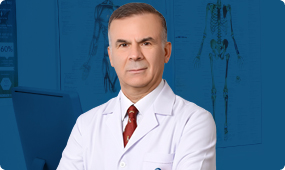
Prof. Dr. Arif Türkmen
Qualifications
Prof. Dr. Arif Türkmen was born in the İslahiye district of Gaziantep and completed his primary, secondary, and high school education there. In 1981, he received the Atatürk 100th Anniversary Award.
In 2002, he became the first Turkish Plastic Surgeon to pass the European Board of Plastic Surgery examination (EBOPRAS).
In 2005, he received the gold medal as the best candidate in the European Federation of Hand Surgery examination.
Frequently Asked Questions
Ask the ExpertFacial paralysis can be temporary or long-lasting, depending on the cause. Conditions like Bell's Palsy often resolve on their own within weeks to months. However, recovery may vary, and some cases may require treatment to improve outcomes.
Free Consultation
Free Consultation
Related Articles
Menu
Language

WhatsApp Contact
Online