
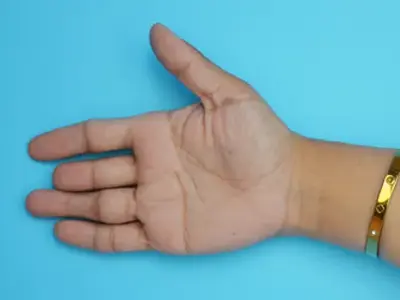




What is Finger Replantation?
Finger replantation is a surgical procedure to reattach a completely severed finger. Surgeons reconnect bones, tendons, blood vessels, and nerves to restore function and appearance. This procedure is complex and requires microsurgical techniques. Success depends on factors like the condition of the severed finger, the time since injury, and the patient's overall health.
The Role of microsurgery in finger Restoration
Microsurgery is essential in finger replantation. Surgeons use specialized instruments and microscopes to reconnect tiny blood vessels, nerves, and tendons. This precise technique restores blood flow, sensation, and movement. Without microsurgery, replantation would not be possible, as fingers require delicate vascular and nerve repair for survival and function.
The Importance of blood vessels and tendon Repair
Blood vessel and tendon repair are crucial for a successful finger replantation.
- Blood vessels: Surgeons reconnect arteries and veins to restore circulation. Proper blood flow prevents tissue death and ensures healing.
- Tendons: These structures allow movement by connecting muscles to bones. Precise tendon repair helps restore finger motion and grip strength.
Both repairs are necessary for finger survival and function after replantation.
Who are the Ideal Candidates for Finger Replantation?
Ideal candidates for finger replantation are those who have suffered a complete finger amputation under specific conditions. Factors that determine suitability include:
- Clean-cut injuries: Fingers severed by sharp objects have better outcomes than crushed or mangled injuries.
- Multiple finger amputations: Replantation is more beneficial when multiple fingers are lost.
- Thumb amputation: The thumb is essential for hand function, making its replantation a priority.
- Healthy patients: Individuals without severe medical conditions, such as uncontrolled diabetes or vascular diseases, have higher success rates.
- Short ischemia time: Replantation is most successful when performed within a few hours of injury, before prolonged blood supply loss.
Each case is evaluated individually to determine the best treatment approach.
What Affects the Success of Finger Replantation?
Several factors influence the success of finger replantation:
- Time since injury: Replantation is most successful if performed within 6-12 hours. Longer ischemia time increases tissue damage.
- Type of injury: Clean-cut amputations have better outcomes than crush or avulsion injuries, which cause more tissue damage.
- Patient's health: Conditions like diabetes, smoking, or vascular diseases reduce healing ability.
- Quality of blood vessel repair: Proper circulation is essential for finger survival. Poor blood flow can lead to failure.
- Post-surgical care: Avoiding smoking, following rehabilitation exercises, and preventing infections improve recovery and function.
Each factor plays a role in determining the long-term success of the procedure.
What is the success rate of Finger Replantation?
The success rate of finger replantation varies based on several factors, including the nature of the injury and the surgical techniques employed. A study published in Acta Ortopédica Brasileira reported a 54% survival rate for 50 replantation cases, while 15 revascularizations had a higher success rate of 93.3%.
Another study in the same journal found a 78% success rate for thumb replantations, with arterial and venous thrombosis being the most common complications, occurring in 20% of cases.
These variations highlight the importance of injury type, prompt surgical intervention, and meticulous microsurgical repair in determining the outcomes of finger replantation procedures.
Further Reading:
- Finger Replantation Optimization Study (FRONT): Update on National Trends
- Prognostic factors on survival rate of fingers replantation
Finger Replantation Surgery Procedure
Finger replantation is a complex procedure that involves multiple steps to restore the severed finger. The process requires microsurgical techniques to reconnect essential structures, ensuring the best possible function and appearance.
Preoperative Preparation
- The severed finger is preserved in a sterile saline solution and placed in a sealed plastic bag, which is then kept on ice.
- The patient is stabilized, and doctors assess overall health and injury severity.
- Imaging tests, such as X-rays, help evaluate bone damage and guide the surgical plan.
- The surgical team prepares a sterile operating environment to minimize infection risk.
Surgical Steps
Debridement (Cleaning the Wound)
- Damaged tissue is removed to prevent infection and improve healing.
- The severed end of the finger and the hand are cleaned thoroughly.
Bone Shortening and Fixation
- If needed, a small portion of the bone is removed to allow tension-free soft tissue repair.
- Surgeons stabilize the bone using wires, screws, or plates to provide structural support.
Tendon and Muscle Repair
- Tendons, which control finger movement, are sutured carefully to restore motion.
- If muscles are damaged, they are repaired to support hand function.
Blood Vessel Repair (Arteries and Veins)
- Surgeons use a microscope to reconnect arteries first to restore blood flow.
- Veins are repaired next to ensure proper drainage and prevent congestion.
- If veins are missing or damaged, vein grafts from other parts of the body may be used.
Nerve Repair
- Nerves are sutured under magnification to restore sensation.
- Although nerve healing is slow, precise repair improves functional recovery over time.
Skin Closure
- Skin is closed with sutures, and in some cases, a skin graft may be required.
- A sterile dressing is applied to protect the surgical site.
Postoperative Care
- The hand is elevated to reduce swelling.
- Blood circulation is monitored closely to detect complications early.
- Pain management and antibiotics are given to control pain and prevent infection.
- Patients undergo physical therapy to regain strength and mobility.
The success of the surgery depends on the severity of the injury, surgical precision, and postoperative care.
How Much does Finger Replantation Cost?
The cost of finger replantation surgery varies based on the complexity of the procedure, hospital fees, and the surgeon's expertise. Prices also differ significantly by country.
Average Costs by Region
- United States – Among the highest costs due to medical fees, hospital charges, and post-surgical care. Microsurgical procedures can be expensive, especially without insurance coverage.
- United Kingdom – Private treatment can be costly, though some cases may be covered by the NHS if deemed medically necessary.
- Western Europe – Prices vary by country. Nations like Germany and France offer high-quality care at slightly lower costs than the US, but expenses remain high for private treatment.
Why Turkey is a Top Choice
Turkey provides world-class medical care at significantly lower prices than the US and Western Europe. The country has internationally accredited hospitals, skilled microsurgeons, and state-of-the-art facilities. Many clinics offer comprehensive packages that include surgery, accommodation, and post-operative care. This combination of affordability and high medical standards makes Turkey a preferred destination for finger replantation surgery.
One of the first EBOPRAS certificated Turkish surgeon The recovery process after finger replantation is lengthy and requires careful monitoring, rehabilitation, and lifestyle adjustments. Proper post-surgical care helps ensure the best possible function and appearance of the replanted finger. Commitment to rehabilitation and proper post-surgical care plays a crucial role in achieving the best possible outcome after finger replantation. Finger replantation is a complex procedure, but it is generally safe when performed by experienced microsurgeons. However, certain risks and complications can arise during or after surgery. Proper post-surgical care, regular follow-ups, and adherence to rehabilitation protocols help minimize these risks and improve outcomes. Additional surgery may be necessary after finger replantation to correct complications, improve function, or enhance appearance. These procedures address specific issues that may arise during recovery. Vascular revision may be required if arterial or venous blockages prevent proper circulation. In cases of severe venous congestion, leech therapy or vein grafting can help restore blood flow. If bones do not heal correctly, surgery may be needed to repair nonunion or correct malunion. Bone grafting or additional fixation methods may be used to ensure proper alignment and strength. Scar tissue around tendons can restrict movement, requiring tendon release surgery. If joint stiffness persists, joint fusion or reconstruction may help restore mobility and function. If nerve healing is incomplete, nerve grafting from another part of the body may improve sensation. In some cases, neurolysis may be performed to remove scar tissue around nerves and enhance function. Skin grafting or flap surgery may be needed if there is tissue loss or poor healing. In some cases, finger shortening or reshaping procedures can improve both function and appearance. Decisions about additional surgery depend on the patient's recovery progress, functional needs, and overall treatment goals.Surgeons

Prof. Dr. Arif Türkmen
What is the Recovery Process After Finger Replantation?
1. Hospital Stay and Immediate Post-Surgical Care
2. Monitoring for Complications
3. Wound Healing and Suture Removal
4. Physical Therapy and Rehabilitation
5. Nerve Recovery and Sensation Return
6. Long-Term Care and Function Restoration
Risks & Complications
Vascular Complications
Infection
Nerve Damage and Sensory Loss
Stiffness and Reduced Mobility
Nonunion or Malunion of Bones
Partial or Complete Finger Loss
When Additional Surgery Is Needed?
Blood Flow Complications
Bone Healing Issues
Tendon and Joint Stiffness
Nerve Repair and Sensory Restoration
Soft Tissue and Cosmetic Improvements
Prof. Dr. Arif Türkmen was born in the İslahiye district of Gaziantep and completed his primary, secondary, and high school education there. In 1981, he received the Atatürk 100th Anniversary Award.
In 2002, he became the first Turkish Plastic Surgeon to pass the European Board of Plastic Surgery examination (EBOPRAS).
In 2005, he received the gold medal as the best candidate in the European Federation of Hand Surgery examination.
Free Consultation
Free Consultation
Menu
Language

WhatsApp Contact
Online