
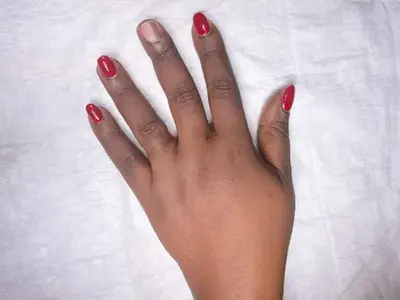




Are you struggling with hand injuries or deformities that impact your daily life? Hand reconstruction surgery offers a path to restoring function, improving appearance, and enhancing quality of life.
These advanced surgical procedures can address a range of issues, from trauma and congenital abnormalities to arthritis and nerve damage.
Discover how hand reconstruction surgery can help you regain mobility, reduce pain, and restore confidence in your hand's abilities.
What is Hand Reconstruction Surgery?
Hand reconstruction surgery restores function and appearance to hands affected by injury, disease, or congenital defects. These procedures address issues like fractures, tendon injuries, nerve damage, and deformities.
Plastic surgeons use various techniques, including skin grafts, tendon transfers, and joint reconstruction, to repair and reconstruct the hand.
The goal is to improve mobility, reduce pain, and enhance the hand’s overall functionality. Hand reconstruction surgery can significantly improve a patient’s quality of life by enabling them to perform daily activities with greater ease and confidence.
What Hand Surgery Can Treat?
Hand surgery can address a variety of conditions and injuries that affect the hand's functionality and appearance. Here are key problems that hand surgery can treat:
-
Carpal Tunnel Syndrome
Description: This condition occurs when the median nerve is compressed at the wrist, leading to pain, numbness, and tingling in the hand and fingers. - Treatment: Surgery involves cutting the transverse carpal ligament to relieve pressure on the median nerve, improving symptoms.
-
Rheumatoid Arthritis
Description: An autoimmune disease causing inflammation and deformity in the joints, including those in the hand. - Treatment: Surgical options include joint replacement, tendon repair, and synovectomy (removal of inflamed joint tissue) to reduce pain and restore function.
-
Dupuytren's Contracture
Description: A condition where the fascia (connective tissue) in the palm thickens, causing fingers to bend towards the palm. - Treatment: Surgery removes or divides the thickened tissue, allowing fingers to straighten and regain movement.
-
Trigger Finger
Description: A condition where a finger gets stuck in a bent position due to inflammation of the tendon sheath. - Treatment: Surgery involves releasing the affected tendon sheath to allow smooth finger movement.
-
Fractures and Dislocations
Description: Broken bones and dislocated joints in the hand due to trauma or injury. - Treatment: Surgical fixation using pins, screws, or plates to stabilize and heal the bones and joints.
-
Tendon Injuries
Description: Damage to the tendons that control finger and thumb movements. - Treatment: Tendon repair or grafting to restore normal hand function.
-
Nerve Injuries
Description: Damage to the nerves in the hand causing loss of sensation or motor function. - Treatment: Nerve repair or grafting to restore nerve function and improve hand sensation and movement.
-
Congenital Hand Deformities
Description: Birth defects affecting the hand's structure and function. - Treatment: Surgical correction to improve appearance and functionality, such as polydactyly (extra fingers) or syndactyly (webbed fingers).
Hand surgery provides solutions for these and other conditions, aiming to restore function, alleviate pain, and improve the quality of life for patients.
Who is a good candidate for hand surgery?
Hand surgery can provide significant relief and improved functionality for many individuals. Determining whether you're a suitable candidate involves considering various factors related to your hand's condition, overall health, and treatment goals. Here’s a list of who might benefit from hand surgery:
- Individuals with Chronic Pain: Persistent hand or wrist pain not responsive to non-surgical treatments.
- People with Limited Hand Function: Difficulty performing daily activities due to hand weakness, stiffness, or reduced range of motion.
- Patients with Diagnosed Conditions: Conditions like carpal tunnel syndrome, rheumatoid arthritis, Dupuytren's contracture, or trigger finger.
- Individuals with Hand Injuries: Fractures, dislocations, tendon injuries, or nerve damage requiring surgical intervention.
- People with Congenital Hand Deformities: Birth defects impacting function or appearance, seeking surgical correction.
- Patients with Failed Conservative Treatments: Tried non-surgical options like physical therapy, medication, or splinting without significant improvement.
- Active Individuals: Athletes or physically active people needing full hand function to return to their activities or sports.
- People Seeking Improved Quality of Life: Those looking to reduce pain, improve hand function, and gain independence in daily tasks.
Types of Hand Reconstructive Surgery
Hand reconstructive surgery encompasses various techniques designed to restore function and appearance to hands affected by injury, congenital deformities, or disease. These advanced procedures aim to help patients regain mobility, reduce pain, and improve their quality of life. Here, we explore some of the key types of hand reconstructive surgery.
Reattachment or Replantation
Description: Reattachment or replantation is a surgical procedure performed to reattach a completely severed finger, hand, or arm.
Procedure: Surgeons meticulously repair bones, tendons, blood vessels, nerves, and skin. Microsurgical techniques are often used to reconnect small structures, ensuring proper blood flow and function.
Ideal Candidates: Individuals who have suffered traumatic amputations are potential candidates, provided that the severed part is in suitable condition for reattachment.
Outcome: Success depends on various factors, including the time elapsed since the injury and the condition of the severed part. When successful, replantation can restore significant function and appearance.
Toe-to-Finger Transfer
Description: Toe-to-finger transfer involves using a toe to replace a missing or severely damaged finger.
Procedure: Surgeons harvest a toe (usually the second toe) and transplant it to the hand. This complex procedure includes connecting bones, blood vessels, nerves, and tendons to achieve functionality.
Ideal Candidates: Suitable for individuals who have lost fingers due to trauma or congenital deformities. It is often considered when multiple fingers are missing, and other reconstructive options are limited.
Outcome: The transferred toe provides a functional and cosmetically acceptable finger. Patients typically regain some degree of grip and dexterity, enhancing hand function.
Completion Amputation
Description: Completion amputation involves removing a severely damaged or non-functional part of the hand to improve overall hand functionality and patient quality of life.
Procedure: Surgeons carefully remove the non-functional part while preserving as much of the healthy tissue as possible. The goal is to create a well-shaped residual limb that can adapt to prosthetics if necessary.
Ideal Candidates: Suitable for individuals with irreparable damage or deformities causing chronic pain or dysfunction. It is also considered when other reconstructive options are not viable.
Outcome: This procedure can significantly reduce pain and improve the remaining hand's functionality. Patients may also benefit from prosthetics designed to enhance hand function.
Tendon and Nerve Repair
Description: Tendon and nerve repair addresses injuries or damage to the tendons and nerves within the hand.
Procedure: Surgeons repair or graft tendons and nerves to restore movement and sensation. This often requires microsurgical techniques to ensure precise connections.
Ideal Candidates: Suitable for individuals with tendon or nerve injuries due to trauma, such as cuts or crush injuries.
Outcome: Successful repairs can restore significant hand function and sensation, although recovery and rehabilitation are essential for optimal results.
Joint Reconstruction or Replacement
Description: Joint reconstruction or replacement aims to restore function to damaged hand joints, often due to arthritis or trauma.
Procedure: Surgeons may perform arthroplasty (joint replacement) or arthrodesis (joint fusion) to relieve pain and improve joint stability and movement.
Ideal Candidates: Suitable for individuals with severe joint damage causing pain and dysfunction.
Outcome: These procedures can significantly improve hand function and reduce pain, enhancing the patient’s ability to perform daily activities.
What to Expect During Hand Reconstruction Surgery?
Undergoing hand reconstruction surgery can be a significant step towards improving hand function and appearance. Being well-informed about the process can alleviate concerns and help you prepare effectively. This section outlines what to expect during hand reconstruction surgery, starting with the initial consultation and the essential questions to ask your plastic surgeon.
What Should I Expect During a Consultation for Hand Surgery?
The consultation is a crucial first step in the hand reconstruction process. Here’s what typically happens during this appointment:
- Medical History Review: The surgeon will review your medical history, including any previous surgeries, current medications, and existing health conditions. Be prepared to discuss your symptoms, how they affect your daily life, and any treatments you’ve tried.
- Physical Examination: A thorough examination of your hand, wrist, and arm will be conducted to assess the extent of the damage or deformity. The surgeon may evaluate your range of motion, strength, and sensation.
- Diagnostic Tests: Depending on your condition, the surgeon might order imaging tests like X-rays, MRI, or CT scans to get a detailed view of the underlying issues.
- Discussion of Options: The surgeon will explain the different surgical options available, tailored to your specific condition. This includes the benefits, risks, and expected outcomes of each procedure.
- Treatment Plan: A personalized treatment plan will be created, outlining the recommended surgical procedure, preoperative preparations, and postoperative care.
- Questions and Concerns: You’ll have the opportunity to ask questions and express any concerns you might have about the surgery.
One of the first EBOPRAS certificated Turkish surgeon Asking the right questions during your consultation can help you make informed decisions about your surgery. Here are key questions to consider: Understanding what to expect during the consultation and knowing the right questions to ask can help ensure a smooth and successful hand reconstruction surgery experience. Being proactive and informed allows you to make the best decisions for your health and recovery. Hand reconstruction surgery can provide significant benefits, making it a valuable option for individuals with hand injuries or conditions seeking to improve their quality of life. Understanding these potential risks is crucial for making informed decisions about hand reconstruction surgery. Discussing concerns with your surgeon can help you weigh the benefits and risks effectively. Recovering from reconstructive hand surgery involves several stages, each requiring specific care and attention to ensure optimal healing and restoration of hand function. Here’s a detailed overview of what to expect during the recovery process: Understanding the recovery process after reconstructive hand surgery helps you prepare mentally and physically for the journey ahead. Following your surgeon’s and therapist’s instructions diligently can significantly enhance your recovery outcomes and restore hand functionality effectively.Surgeons

Prof. Dr. Arif Türkmen
What Questions Should I Ask My Plastic Surgeon About Hand Surgery?
Benefits of Hand Reconstruction Surgery
Potential Risks Associated with Hand Reconstruction
Recovery Process After Reconstructive Hand Surgery
Immediate Postoperative Period
Early Recovery Phase
Rehabilitation Phase
Long-Term Recovery
Psychological Support
Prof. Dr. Arif Türkmen was born in the İslahiye district of Gaziantep and completed his primary, secondary, and high school education there. In 1981, he received the Atatürk 100th Anniversary Award.
In 2002, he became the first Turkish Plastic Surgeon to pass the European Board of Plastic Surgery examination (EBOPRAS).
In 2005, he received the gold medal as the best candidate in the European Federation of Hand Surgery examination.
Frequently Asked Questions
Ask the ExpertYes, fingers can be reconstructed. Surgeons use techniques like reattachment, grafts, or toe-to-finger transfers to restore function and appearance. The specific method depends on the injury or deformity. Recovery involves physical therapy to regain strength and mobility. Success varies based on the extent of damage and surgical technique.
Recovery from hand reconstruction surgery typically takes several months. Initial healing occurs in a few weeks, but full recovery, including regaining strength and mobility, can take 3 to 6 months or longer. Physical therapy is essential for optimal results. Individual recovery times vary based on the specific procedure and patient health.
Free Consultation
Free Consultation
Menu
Language

WhatsApp Contact
Online